
Outpatient Eye Surgery
Cataract, glaucoma, intravitreal injections, eyelid surgery
Cataract is an eye disease, usually age-related, in which vision steadily deteriorates. To treat a cataract, surgery is necessary in which the cloudy lens is replaced by an artificial lens.
Glaucoma can lead to blindness if left untreated through destruction of the optic nerve. Glaucoma is treated with medication or surgery with the aim of lowering intraocular pressure.
Intravitreal injection is a method of delivering medication into the eye so that it can act directly on site.
Eyelid surgery: Blepharoplasty, eyelid tumours, stye, xanthelasma, ectropion/entropion. Each procedure is performed on an outpatient basis under local anaesthesia.
Cataract Surgery
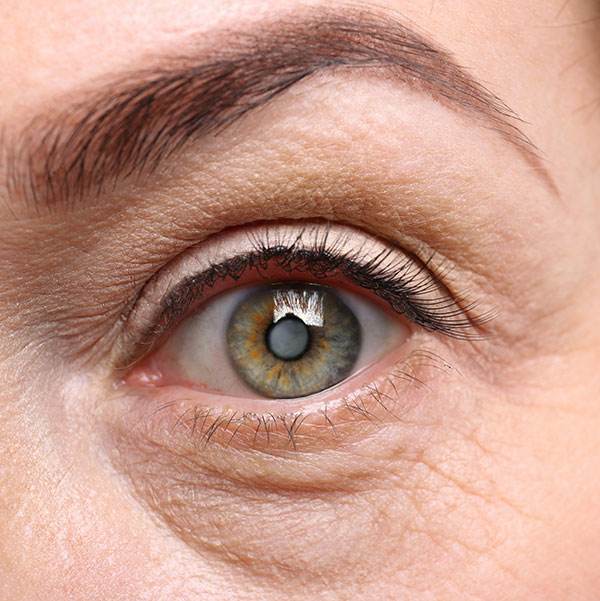
Cataracts can only be treated effectively by surgery (cataract operation). The cloudy lens is removed and replaced with an artificial lens. Cataract surgery is the most common eye operation; in Germany alone it is performed around 700,000 times a year. The procedure is a microsurgical operation under an operating microscope. The implanted artificial lens remains in the eye for life.
Our range includes all modern intraocular lenses, which also enable vision without glasses. During the preliminary examination we advise you on selecting the most suitable lens:
- Standard lens: monofocal spherical intraocular lens with or without blue filter
- Extended depth of focus (EDOF) intraocular lens
- Toric monofocal intraocular lens
- (Toric) multifocal lens
Which artificial lens is right for me?
During cataract surgery your clouded lens is replaced by an artificial lens that stays in the eye for life. The procedure is the same for all lenses – they differ in the distances at which you can see sharply without glasses afterwards. Rule of thumb: more freedom from glasses usually means slightly less contrast and more light effects at night. If you have astigmatism, every lens is also available as a toric version.
Monofocal lens
One focal point, usually for distance. Aspheric with blue-light filter for good contrast and night vision; also suitable with AMD or diabetes. You will need glasses for reading and usually for the computer.
Right for you if glasses for near vision do not bother you and you value clear distance vision.
EDOF lens
Extended depth of focus from distance to about arm's length: driving, computer, cooking, phone – with contrast close to a monofocal lens and only occasional mild light effects at night. A weak pair of reading glasses is usually needed for small print.
Right for you if you want to manage everyday life largely without glasses and drive a lot at night.
Multifocal lens
Fine rings distribute the light between distance, computer and reading – usually with no glasses at all. Light rings at night are common and contrast slightly lower; the brain adapts within the first weeks. Only for otherwise healthy eyes.
Right for you if you want to read without glasses too.
Glaucoma Surgery
Once glaucoma has been diagnosed, treatment should begin as quickly as possible to prevent damage to the optic nerve. Intraocular pressure must be lowered – with medication and/or surgery. Both laser treatment and drug therapy with eye drops are suitable as primary therapy.
Minimally Invasive Glaucoma Surgery (MIGS)
So-called minimally invasive surgical procedures have revolutionised the treatment of glaucoma in recent years. Either micro-stents are inserted to drain excess aqueous humour, or micro-catheters are used to improve the natural outflow pathways of the aqueous humour. These innovative surgical methods are particularly gentle and safe and are characterised by a rapid healing process.