
Dry Eye
Dry Eye / Office Eye Syndrome
One in five patients who consult an ophthalmologist in Germany suffers from dry eyes – a disorder of the natural tear film. These complaints manifest as burning, itching or watering. The symptoms are grouped under the term office eye syndrome, as they occur particularly when we sit at a computer or otherwise forget to blink due to concentration.
However, various diseases such as diabetes, rheumatism or a thyroid dysfunction can also cause insufficient tear production. In our practice we use various examinations to determine how severely the tear film is disturbed. The so-called Schirmer test is important here. Using a dye applied to the surface of the eye, we can also determine how stable the tear film is.
In addition to special eye drops, small changes in everyday behaviour often help: taking breaks during screen work, drinking enough fluids or improving the supply of fresh air. Dry eyes should be taken seriously, because what initially seems merely annoying can lead to a disease of the ocular surface and thus to a loss of vision.

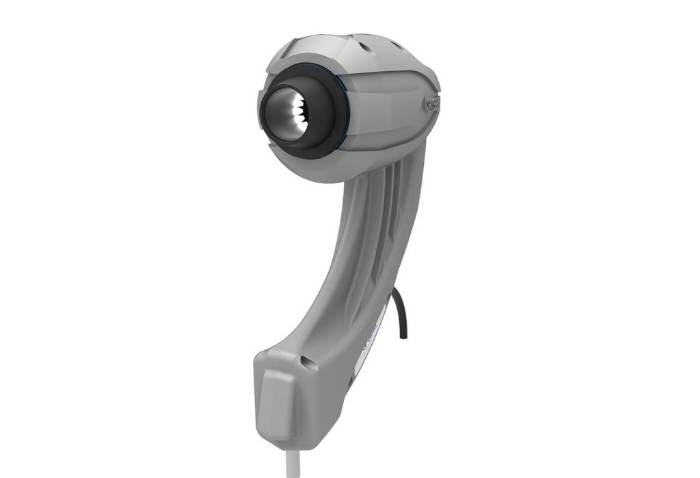
SBM O.S.A. – Ocular Surface Analyzer
Diagnostic platform for the classification of dry eye
Dry eye is a complex, very common disease that is extremely troublesome for patients. Meibomian gland dysfunction (MGD) is the most common cause. Morphological changes in the glandular tissue can be visualised with the O.S.A. as a digital infrared image.
The O.S.A. "Dry Eye" platform offers the following examinations in one device:
- Interferometry: Classification of the lipid layer to assess meibomian gland function (before and after IPL treatment)
- Meibography: Quantification of the meibomian glands
- Tear meniscus: Measurement at up to 5 points to quantify the tear film
- Auto-NIBUT: automatic, non-irritating determination of tear film break-up time without fluorescein
- Blepharitis (Demodex) test
- Degree of redness, pupillometry, tear film analysis
The extensive measurements are carried out by our clinical staff. Based on the results, your ophthalmologist can make a well-founded recommendation for dry eye treatment.